

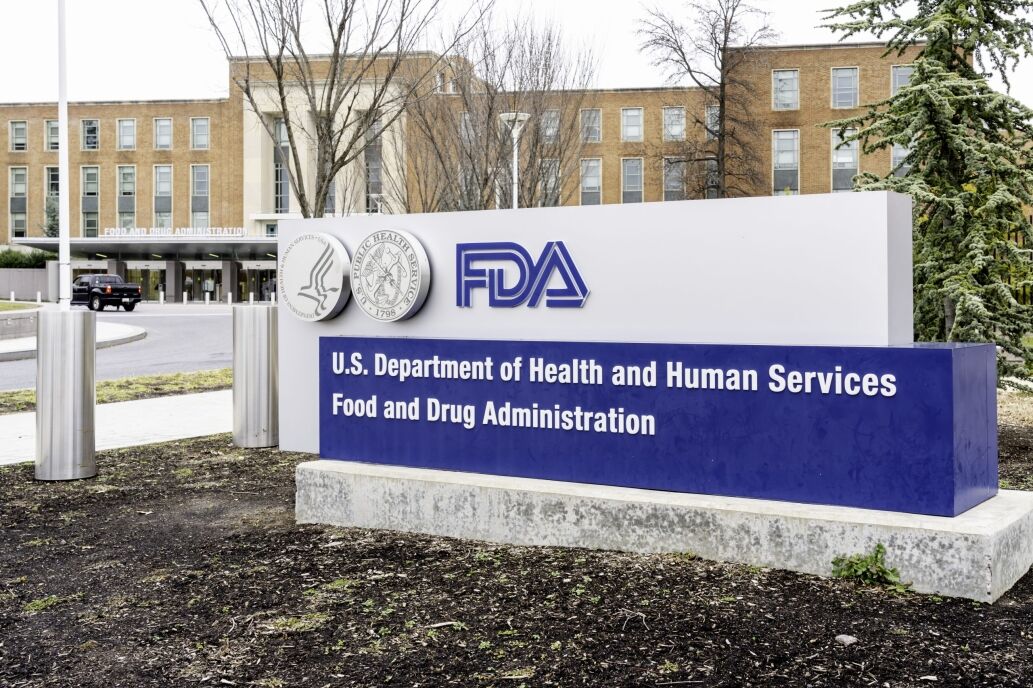
Rural hospital HIPAA compliance has never been more complicated than it is in mid-2026. If you've been reading about a major HIPAA Security Rule update and wondering what it means for your facility, you're not alone. The proposed changes are significant. However, the most important thing to know right now is that the rule is not yet final.
Here's a plain-language summary of where things stand, what it means for rural and critical access hospitals specifically, and what you should actually be doing about it today.
Rural Hospital HIPAA Compliance Status: Proposed, Not Final
The most important thing to understand is this: the updated HIPAA Security Rule is still a proposed rule. It is not final law.
HHS published the proposed update in the Federal Register on January 6, 2025. The public comment period closed on March 7, 2025. HHS had targeted a final rule for spring 2026. That window has now passed without a final rule, and there is currently no confirmed timeline for finalization.
What This Means for Your Hospital
In the meantime, the current HIPAA Security Rule, in place since 2003 with modifications in 2013, remains fully in effect. OCR actively enforces it. Some vendors and consultants have been treating the proposed rule as though it's already law. It isn't. However, that doesn't mean you can wait.
Sources: HHS Office for Civil Rights, HIPAA Security Rule NPRM page, hhs.gov; Medcurity, "2026 HIPAA Security Rule Update" (updated June 2026), medcurity.com
Why Rural Hospitals Pushed Back
The proposed update generated significant industry opposition, and rural hospitals stood at the center of it. Rural hospital HIPAA compliance costs represent an existential burden for facilities already operating on razor-thin margins.
In late 2025, the College of Healthcare Information Management Executives joined seven other major industry associations and more than 100 hospital systems in a letter to HHS Secretary Robert F. Kennedy Jr. urging full withdrawal of the proposed rule. Their core argument was direct: HHS itself projected the year-one cost of compliance at approximately $9 billion across the industry. For small and rural hospitals operating on thin margins, that figure represents an impossible choice between cybersecurity compliance and keeping their doors open.
The Underlying Problem Hasn't Gone Away
Whether the rule gets finalized as proposed, modified significantly, or withdrawn entirely, the underlying problem it tried to solve remains real. Healthcare organizations have inadequate cybersecurity controls, and attackers keep exploiting that gap. Consequently, the direction of regulatory travel is clear even if the specific timeline isn't.
Sources: Compliancy Group, "The Proposed HIPAA Security Rule Update" (May 2026), compliancy-group.com; HHS Regulatory Impact Analysis (January 2025)
What the Proposed HIPAA Security Rule Update Would Require
Even though the rule isn't final, understanding its proposals is worth your time. First, it may eventually pass in some form. Second, its requirements closely mirror what cybersecurity best practice already looks like for healthcare organizations.
The Changes That Matter Most for Rural Hospitals
The proposed changes would eliminate the current distinction between "required" and "addressable" implementation specifications. Under the current rule, addressable specifications allow organizations flexibility to implement alternative measures or document why a specification doesn't apply. Under the proposed rule, everything becomes mandatory.
The specific requirements most relevant to rural hospitals and their IoT and medical device environments include:
Mandatory asset inventory with continuous updates. Organizations would need to maintain an accurate, continuously updated inventory of all systems, devices, and connections touching electronic protected health information. This requirement explicitly includes medical devices and IoT devices, not just traditional IT equipment.
Mandatory network segmentation. Currently an addressable specification, segmentation would become a mandatory requirement based on a documented risk analysis.
Vulnerability scanning at least every six months. Regular scans across the full device environment, including connected medical devices, would be required.
Multi-factor authentication across all access points. MFA would be required for all systems that store, transmit, or access electronic protected health information.
Annual penetration testing. Organizations would need to conduct annual penetration tests, a requirement that will challenge smaller facilities without internal security resources.
A note on medical devices: the proposed rule includes an exception for FDA-approved devices manufactured before March 2023 that cannot be updated without voiding their FDA clearance. However, this exception requires a documented migration plan. It is not a blanket exemption.
Sources: HHS, HIPAA Security Rule NPRM Fact Sheet (December 2024), hhs.gov; Compliancy Group, "The Proposed HIPAA Security Rule Update" (May 2026), compliancy-group.com
What the Current Rule Already Requires
Rural hospital HIPAA compliance under the current rule is already more demanding than many facilities realize. Furthermore, OCR's enforcement data shows that most organizations are falling short of what's already required.
The Most Frequently Cited Deficiency
The most common deficiency in OCR investigations is failure to conduct an adequate risk analysis. Between 2024 and 2025, OCR cited risk analysis failures as the central finding in multiple enforcement actions. Penalties ranged from tens of thousands to millions of dollars, often accompanied by corrective action plans. OCR issued over $15 million in fines across 2024 and 2025 alone.
As of January 2026, HIPAA violation penalties now range from $145 to $2,190,294 per violation. The era of lenient enforcement for smaller organizations is over.
If your hospital has not conducted a formal risk analysis that covers your device environment, you are not compliant with the current rule. That is true regardless of what happens with the proposed update.
Sources: Censinet, "Recent HIPAA Enforcement Cases: Lessons Learned" (2025), censinet.com; The HIPAA Guide, "HHS Increases Civil Monetary Penalty Amounts for 2025" (January 2026), hipaaguide.net; Healthcare Compliance Pros, "HIPAA Risk Analysis Enforcement in 2026" (May 2026), healthcarecompliancepros.com
What Rural Hospital HIPAA Compliance Requires Right Now
Given the uncertainty around finalization, here is a practical framework for how rural and critical access hospitals should approach this.
Stop waiting for the final rule. The current rule is in effect and actively enforced. The proposed requirements, including asset inventory, network segmentation, and vulnerability awareness, also represent sound security practice. You don't need regulatory certainty to justify reducing your risk.
Prioritize the risk analysis. OCR consistently cites this as the most common deficiency. Updating yours is your most urgent compliance priority regardless of what happens with the proposed rule. HHS offers a free Security Risk Assessment tool designed for smaller organizations at hhs.gov/hipaa.
Take the asset inventory requirement seriously now. OCR already expects covered entities to maintain awareness of the technology assets in their environment. A continuously updated inventory of your IoT and medical devices is both a security control and a current compliance requirement.
Document your medical device limitations. Devices that can't be patched or segmented due to manufacturer constraints need documented compensating controls and risk acceptance rationale. That documentation protects you in an audit.
Budget for the direction of travel. Even if the proposed rule faces further delays, the direction is clear. Budget and planning decisions made in 2026 should reflect that trajectory, not just today's requirements.
The Specific Challenge for Medical Devices
Medical device security sits at the intersection of everything that makes HIPAA compliance difficult for rural hospitals.
Most connected medical devices cannot accept software agents or unauthorized patches. They run certified firmware that manufacturers lock to specific versions under FDA regulation. Standard vulnerability management approaches don't apply to large portions of your device environment.
Visibility Enables Compliance Documentation
The proposed rule's exception for older FDA-approved devices acknowledges this reality. However, it requires a documented migration plan. You cannot document a migration plan for devices you don't know connect to your network. You cannot demonstrate compensating controls for devices whose network behavior you can't monitor.
This is where purpose-built IoT visibility tools become directly relevant to your compliance posture. Not as a compliance product specifically, but as the foundation that makes compliance documentation possible.
The Bottom Line
Effective rural hospital HIPAA compliance doesn't require waiting for a final rule. It is not final yet, and the timeline is genuinely uncertain. However, the underlying requirements, including continuous device visibility, network segmentation, vulnerability awareness, and documented risk management, are not new ideas. They represent what responsible healthcare cybersecurity has always looked like.
For rural hospitals, the question is not whether to meet these requirements. It is how to meet them with the resources and budget that are actually available. That is a solvable problem. But it requires starting now, with an honest assessment of where you stand today.
Cylera provides rural hospital IoT security purpose-built for healthcare organizations with limited resources. If you'd like to see what's on your network, request a demo or take our Hospital IoT Security Assessment.

